


As we move through the second quarter of 2026, the global logistics landscape has transitioned from a period of recovery to one of structural transformation. While capacity across major freight modes has stabilized, the industry remains in a state of "fragile normalcy."For members of the GT Global Transportation Network, staying ahead of these shifts is no longer just about competitive pricing—it is about intelligent resilience.
1. Navigating Geopolitical and Operational Turbulence
The mid-2026 logistics market continues to be shaped by persistent disruptions in traditional trade lanes. ongoing volatility in the Middle East has necessitated continued diversions around the Cape of Good Hope, adding significant lead times and absorbing global container capacity.
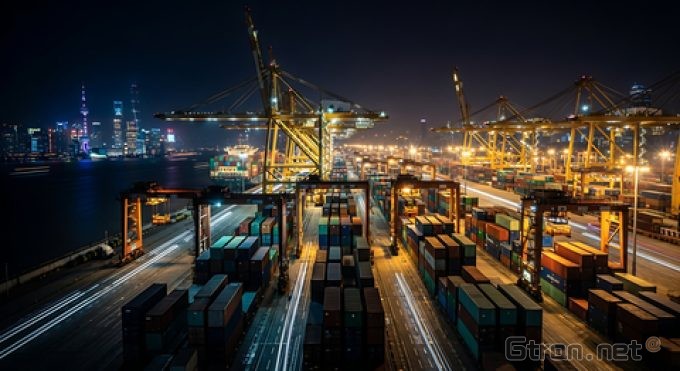
Simultaneously, major infrastructure updates are underway. Recent reports highlight that U.S. and European ports are currently undergoing billions of dollars in capital investments to upgrade cargo handling efficiency and digital twins. For freight forwarders within the GT network, these bottlenecks emphasize the importance of having reliable local partners who can offer alternative routing and real-time on-the-ground intelligence.
2. The Rise of "Green Shipping Corridors"
Sustainability has moved from a boardroom discussion to an operational requirement. June 2026 marks a significant milestone in the establishment of "Green Shipping Corridors." With new regulations on carbon emissions tightening across the EU and North America, shippers are increasingly prioritizing logistics providers who can verify their carbon footprint.
At GT Global Transportation Network, we are seeing a surge in inquiries for "circular logistics" solutions. Members who invest in electric last-mile fleets or partner with sustainable carriers are finding a distinct advantage in the VIP marketplace.
3. AI and the Shift to Continuous Planning
The days of monthly or quarterly supply chain planning are over. In 2026, "Continuous Planning" is the new standard. Powered by Artificial Intelligence (AI) and machine learning, forward-thinking agencies are now using predictive simulation to spot potential port strikes or extreme weather delays before they happen.
GT members are encouraged to leverage the platform’s Freight Inquiry and VIP Membership tools to build the data-driven partnerships necessary for this fast-paced environment. Recent additions to our network, such as new VIP members from Eastern Europe and Southeast Asia, highlight the growing demand for specialized regional expertise in an interconnected world.
4. Strengthening the Human Connection
Despite the rise of automation and AI, the core of the GT Global Transportation Network remains the trust between professionals. As evidenced by the recent wave of new agency certifications and successful project cargo collaborations across the network, the human element—expert problem-solving and personal reliability—is what truly mitigates risk when systems fail.
Looking Ahead:
As we navigate the remainder of 2026, the GT Global Transportation Network remains committed to providing the digital tools and professional community necessary to turn these global challenges into opportunities. Whether you are seeking a new agent in Taiwan or managing complex multimodal projects in the Mediterranean, the strength of our network is your greatest asset.


