


The rapid surge in Intra-Asia shipping demand seen earlier this year appears to be tapering off. As the "early peak season" concludes, freight rates across major Asian trade lanes are experiencing a correction, complemented by easing congestion at several key Southeast Asian hubs.
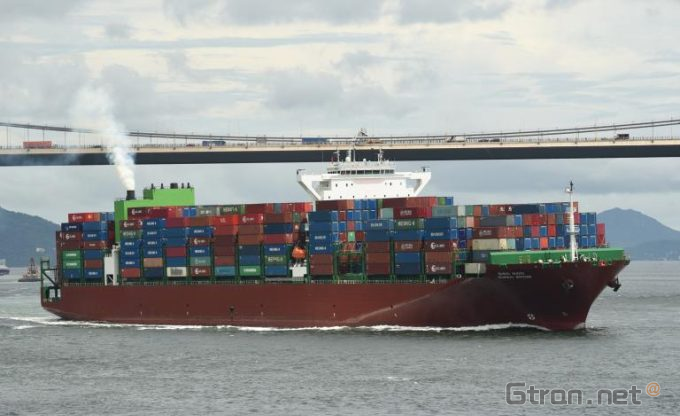
A General Decline in Spot Rates
According to the latest data from the Shanghai Containerised Freight Index (SCFI), the Shanghai-to-Southeast Asia rate recorded its third consecutive weekly drop on July 10, falling 6% to $628 per TEU.
This cooling trend is mirrored in Drewry’s Intra-Asia Container Index, which highlights significant softening in corridors connecting China to South and Southeast Asia. Key highlights of the recent price shifts include:
Shanghai to Jawaharlal Nehru (India): Dropped 13% to $1,883 per 40ft.
Shanghai to Manila (Philippines): Decreased by 10% to $497 per 40ft.
Shanghai to Ho Chi Minh City (Vietnam): Slipped 6% to $858 per 40ft.
Industry analysts suggest that the urgency that drove shippers to front-load cargo in May and June has dissipated, leading to a more balanced supply-demand ratio.
Easing Port Congestion Improves Schedule Reliability
A primary driver behind the recent rate volatility was severe port congestion, particularly in hubs like Singapore and Manila. However, operational pressures are beginning to lift.
Drewry reported that at the Port of Manila, average vessel waiting times decreased by 7.8 hours in the first week of July. As turnaround times improve, more capacity is effectively returned to the market, further removing the upward pressure on freight costs. While some hubs still face intermittent delays due to the Red Sea-induced vessel rescheduling, the regional Intra-Asia network is showing signs of stabilization.
Supply Chain Diversification and the "China Plus One" Strategy
The volatility in the Intra-Asia market isn't just about seasonal peaks; it reflects a fundamental shift in global manufacturing. Persistent trade tensions between the U.S. and China continue to accelerate the "China Plus One" strategy.
Manufacturers are aggressively expanding production footprints across Vietnam, Thailand, Malaysia, and India. This diversification is creating a more complex but robust intra-regional trade network, ensuring that while spot rates may fluctuate, the underlying volume remains resilient. In fact, despite the recent weekly declines, the Intra-Asia index remains 41% higher year-on-year, supported by higher operating costs and geopolitical disruptions.
Carriers Expand Capacity: CULines Launches KCI Service
In response to the long-term growth of the India-Pakistan trade lane, carriers are continuing to add strategic capacity. China United Lines (CULines) is the latest to enhance its network with the launch of the South Korea-China-India (KCI) service.
The KCI service, which launched with the 8,000 TEU vessel Mumbai Bridge, provides a direct connection between South Korea and Western India. CULines is joining a consortium that includes Global Feeder Shipping, Sinokor Merchant Marine, TS Lines, and Regional Container Lines (RCL). By deploying the 6,758 TEU Racine in August, CULines aims to strengthen regional connectivity and offer more options for shippers navigating the South Asia-Far East corridor.
What's Next for Intra-Asia Shippers?
For members of the GT Global Transportation Network, the current market presents an opportunity to lock in lower rates before the traditional year-end peak. However, stakeholders should remain vigilant. While congestion is easing and rates are softening, the 41% YoY increase suggests that the era of ultra-low freight rates has passed, replaced by a market defined by geopolitical risks and higher operational overheads.
Key Takeaways for Logistics Providers:
Monitor India-bound lanes: The addition of services like the KCI indicates strong long-term demand for the Indian subcontinent.
Leverage the rate dip: Utilize the current softening to optimize inventory levels before potential Q4 surges.
Focus on Diversification: As production shifts across Asia, logistics providers must expand their local partnerships in emerging hubs like Manila and Ho Chi Minh City.


