


The transpacific shipping corridor is currently witnessing a significant transformation as spot rates experience a sharp upward trajectory. Recent market intelligence suggests that these rising costs are paving the way for a resurgence of independent, non-alliance carriers on the Asia-US West Coast route. While this influx of capacity might offer temporary relief for desperate shippers, it highlights a deeper, systemic issue within the maritime industry: the volatile shift between predatory pricing and desperate cost-cutting, often described as a "power dynamic" rather than a sustainable business ecosystem.
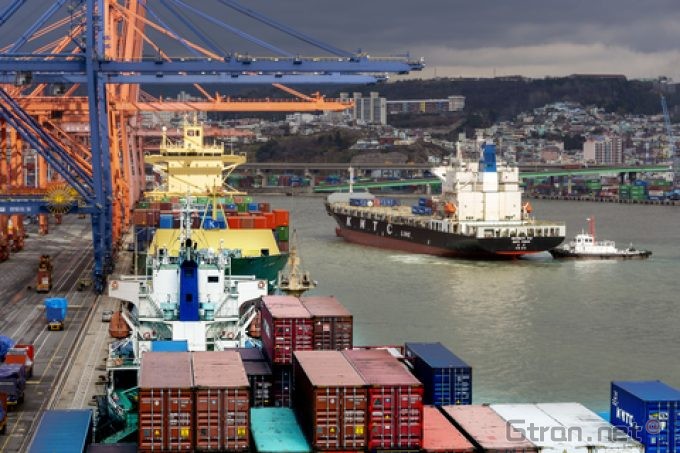
For years, the relationship between cargo owners and container lines has been defined by leverage. When capacity is tight, carriers hold the upper hand; when the market is oversupplied, shippers aggressively drive down rates. However, as global supply chains face unprecedented disruptions—ranging from geopolitical tensions in the Red Sea to looming labor negotiations at major ports—this transactional approach is proving to be a liability. The industry is reaching a consensus that "genuine partnerships" are no longer just a luxury, but a logistical necessity for long-term survival.
The current surge in rates is largely driven by a combination of redirected vessel routes and a surprising resilience in consumer demand, particularly fueled by the global expansion of e-commerce platforms. Digital-first retailers now require faster, more predictable transit times to satisfy the "instant gratification" economy. This shift in consumer behavior is forcing a digital evolution within the shipping sector. Internet-enabled logistics platforms and AI-driven predictive analytics are becoming the bridge between carriers and shippers, providing the transparency needed to move away from adversarial negotiations.
When non-alliance services enter the fray during high-rate periods, they provide a safety valve for capacity. Yet, these players often exit the market as soon as margins slim, leaving shippers stranded. This "boom and bust" cycle prevents the development of the infrastructure needed for green shipping initiatives and technological integration. To break this cycle, the industry must transition toward long-term value creation. Genuine partnerships involve shared risks and rewards, where data is exchanged freely to optimize vessel utilization and port calls, rather than being used as a weapon in annual contract battles.
Furthermore, the integration of internet-of-things (IoT) technology in container tracking is setting a new standard for accountability. As shippers gain real-time visibility into their cargo's journey, the demand for reliability over the lowest possible price is growing. In this new landscape, the most successful carriers will not be those who maximize short-term profits during a rate spike, but those who provide consistent, tech-enabled service and foster trust with their clients.
As we look toward the second half of the year, the influx of new services on the transpacific route serves as a reminder that the market is always in flux. However, the goal for the global transportation network should be to move beyond the fluctuating "power dynamics." By leveraging digital tools and prioritizing collaborative stability, the maritime industry can build a more resilient framework that benefits carriers, shippers, and the end consumer alike. The future of global trade depends not on who holds the most leverage at any given moment, but on the strength of the alliances built when the seas are both calm and stormy.


