


Dubai, UAE / Muscat, Oman – The global air cargo industry is in a frantic scramble, diverting crucial freight onto the region's highways as unprecedented flight disruptions and closed airspace choke key Middle Eastern hubs. This dramatic shift has sent airfreight rates soaring, leaving supply chains grappling with skyrocketing costs and complex logistical puzzles.
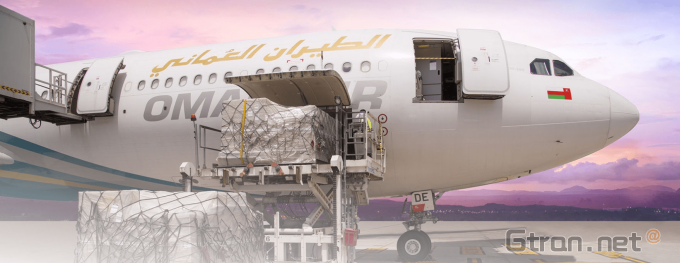
Forwarders are aggressively securing trucking capacity across the Middle East, particularly in Saudi Arabia, as shipments are being redirected from once-bustling Gulf hubs to a handful of airports that remain operational. This pivot to road transport has become a critical lifeline, redistributing cargo between countries and airports while airlines painstakingly attempt to restore their fractured networks.
The fallout is immediate and severe on pricing. Freightos FAX data paints a grim picture: southern Asia to North America airfreight rates have surged by a staggering 36% since March 5, while southern Asia–Europe rates have exploded by 54% since March 3. This reflects a rapidly tightening capacity across multiple crucial trade lanes, squeezing margins and delaying critical shipments.
"The trucking is the problem… moving cargo in bond across the border is the difficulty," explained Mike Duggan, head of cargo at Oman Air, highlighting the bureaucratic and logistical hurdles in cross-border road transport. Customs and border congestion, compounded by a focus on managing passenger flows, are slowing down efforts to move vital cargo, particularly from the UAE into Oman to connect with flights from Muscat. Oman Air is even exploring a short-haul freighter shuttle between Dubai and Muscat if road transport proves too slow.
Muscat Emerges as a Critical Lifeline:
Amidst the chaos, Muscat International Airport in Oman has emerged as a beacon of stability, operating largely "business as usual." Oman Air has capitalized on this, adding extra flights from Muscat to major cities including London, Amsterdam, Rome, Milan, Istanbul, Bangkok, Kuala Lumpur, Mumbai, and Jeddah. An additional daily widebody flight to London Heathrow is significantly boosting cargo capacity on European routes, where demand has been "particularly strong." The airline is also fast-tracking plans to introduce dedicated freighters, despite tight aircraft availability.
Gulf Aviation Stumbles, Uneven Recovery:
The broader Gulf aviation landscape remains deeply impacted. Operational data reveals a dramatic collapse in early March: Emirates, which typically operates over 530 flights daily, plummeted to just 24, while Qatar Airways (normally close to 600 flights) dropped to a mere three. While Emirates has steadily rebuilt its schedule to around 280 daily flights by March 8, Qatar Airways remains severely limited, with scheduled operations temporarily suspended pending the full reopening of Qatari airspace. Even Dubai International Airport, while operating hundreds of flights, is doing so under "limited" conditions, contrasting with Muscat's full activity. Airports in Bahrain and Kuwait remain closed.
Rethinking Global Supply Chains:
Beyond the immediate crisis, this unprecedented disruption is forcing shippers to fundamentally reassess their transport strategies. Logistics providers report a growing interest in long-distance road transport between China and Europe via Central Asia, offering transit times of 14 to 18 days. This "Silk Road by Road" option provides greater predictability than the fractured air cargo networks, offering a viable alternative that is faster than sea freight.
While air freight remains indispensable for urgent shipments, the Middle East crisis is a stark reminder of the fragility of global supply chains. It underscores the critical importance of flexible, multi-modal logistics strategies capable of rapidly adapting and switching between transport modes when key aviation hubs are suddenly disrupted. The ripples of this Middle East air cargo crisis will undoubtedly be felt across global trade for weeks, if not months, to come.


