


Maersk unveiled its second-quarter results today, demonstrating volume growth that marginally outpaced overall market expansion. However, analysts cautioned that the company's optimistic full-year projections might face challenges.
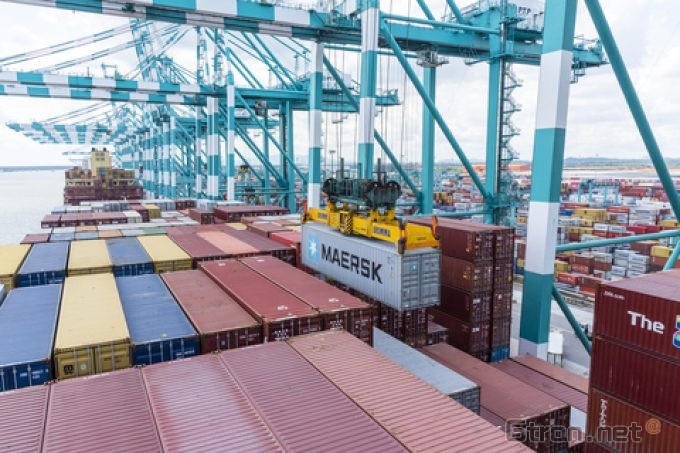
The Danish shipping giant reported year-on-year "strong results" for Q2 2025, featuring:
2.8% revenue growth
EBIT reaching $845 million (6.4% increase)
EBITDA climbing to $2.3 billion (17.5% surge)
Underlying EBIT margin improving by 0.3 percentage points to 6.2%
Notably, Maersk's Ocean division achieved 2.4% revenue growth despite a 9.6% year-on-year decrease in loaded freight rates, primarily driven by increased volumes and higher demurrage/detention revenue.
Q2 loaded volumes reached approximately 6.5 million TEUs above Q2 2024 levels, marking 4.2% growth. This performance slightly exceeded the global market average of 4% expansion to about 48 million TEUs, according to Container Trade Statistics (CTS) data.
CTS reported the container shipping market enjoyed "a robust first half despite numerous uncertainties," with total transported volume hitting an "impressive" 93.5 million TEUs (4.5% year-on-year growth). All regions recorded positive year-to-date import growth, though North American exports declined 3% - a "notable exception" attributed mainly to reduced Far East exports.
Export growth leaders included:
South and Central America
Indian Subcontinent and Middle East
Far East (all regions showing 6% increases)
"However," CTS warned, "with another round of tariff implementations approaching, this growth phase may prove temporary." The organization added cautiously: "The strong H1 foundation provides hope for continued performance in H2 2025."
June's global volumes totaled 16.1 million TEUs, representing a 3.4% decrease from May's record levels. While ongoing volatility concerns shippers, carriers maintain optimism. Maersk revised its full-year guidance upward, now projecting EBITDA between $8-9.5 billion (from $6-9 billion) and anticipating 2-4% global container market growth (updated from -1% to 4%), citing "more resilient demand outside North America."
The company emphasized June marked the full implementation of its Gemini Cooperation with Hapag-Lloyd, expressing confidence in achieving reliability and cost-saving targets - with full impact assessment expected in Q3 reporting.
Contrasting these positive developments, Maersk's air cargo revenue declined year-on-year due to macroeconomic uncertainties and operational restructuring efforts, with volumes falling 12% to 74,000 tonnes. However, Q2 air freight revenue showed 9.2% year-on-year improvement versus Q1.
Other divisions reported mixed results:
Logistics services: 1% revenue growth
APM Terminals: 20% turnover increase from higher volume, improved tariffs, and increased storage revenue


