


The US-Mexico trade partnership is pioneering next-generation logistics infrastructure despite geopolitical tensions, with bilateral goods trade reaching $798 billion in 2024 - a 6.2% increase from pre-pandemic levels. The autonomous freight corridor project, recently approved by both governments, will deploy 200 driverless electric trucks by 2026 along a 500-mile route connecting Laredo, Texas to Monterrey, Mexico's industrial hub.
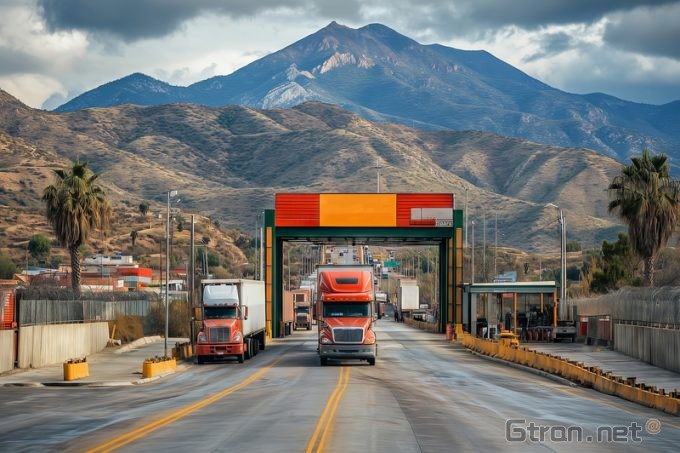
This technological leap addresses critical capacity constraints:
Current border crossings handle 12,000 trucks daily but face 8-hour delays during peak seasons
Traditional drayage accounts for 28% of cross-border shipping costs
Mexico's nearshoring boom attracted $32 billion in manufacturing FDI last year
The $1.2 billion project combines:
Smart Infrastructure: 5G-connected highways with embedded sensors
Energy Innovation: Solar-powered charging stations every 50 miles
Customs Integration: AI-powered clearance systems reducing inspection times by 70%
While tariffs remain contentious, this collaboration demonstrates how technological solutions can transcend political barriers. The corridor's Phase 1 (Laredo-Nuevo Laredo) begins testing in Q3 2025, with full operational capacity projected by 2027. Industry analysts predict the system could handle 15% of US-Mexico freight volumes by 2030, potentially eliminating 450,000 tons of CO2 emissions annually.


