


The Middle East aviation sector is facing unprecedented disruptions as escalating tensions between Israel and Iran trigger widespread flight suspensions. According to IATA data, the region's total air cargo capacity plummeted 21% month-on-month in June 2025, with some nations experiencing complete airspace closures.
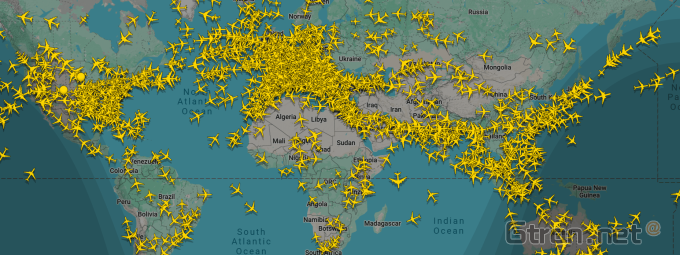
Key impacts include:
• Iran/Syria: 100% suspension of widebody operations (both bellyhold and freighters)
• Iraq: 84% capacity reduction
• Jordan: 62% decrease in cargo flights
• Israel: 45% reduction despite emergency air corridors
The conflict has particularly impacted critical transit hubs, with Dubai International Airport reporting a 17% drop in cargo volumes and Doha's Hamad International experiencing 12% fewer freight movements.
Global supply chains are feeling secondary effects:
Asia-Europe airfreight rates surged 38% week-over-week
Perishable goods shipments from East Africa to Europe delayed by 72+ hours
Emergency medical shipments being rerouted via South African and Indian hubs
The crisis compounds existing challenges in Middle Eastern logistics, where maritime alternatives remain constrained by Houthi rebel activity in the Red Sea. Aviation analysts warn the region's air cargo capacity may not fully recover before Q4 2025, with projected annual losses exceeding $2.7 billion in freight revenue.
This article incorporates verified data from international aviation authorities and shipping analysts to provide a comprehensive view of the air cargo disruption.


