


As we progress into 2025, forwarders find themselves navigating a landscape of financial uncertainty, with the lack of visibility making accurate forecasting challenging. This situation is further complicated by new external factors that must be considered when determining freight rates.
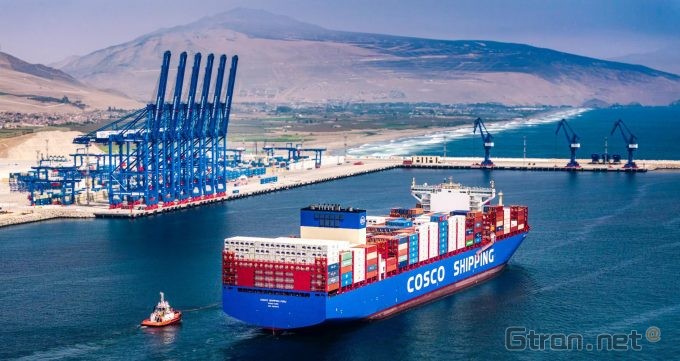
The end of the front-loading surge has left forwarders in a state of flux. Previously, shippers had been rushing to bring goods into the U.S. before the short-term pause on tariff increases expired. This created a temporary boom in activity, but now that this surge has subsided, forwarders are left to deal with the aftermath. The uncertainty surrounding new tariffs adds another layer of complexity. With the potential for tariffs to change at any moment, forwarders are finding it difficult to plan ahead and provide stable freight rates to their clients.
The lack of clarity on trade policies and the ever-changing global economic landscape are making it hard for forwarders to predict demand and capacity. This, in turn, affects their ability to secure competitive rates and maintain healthy profit margins. Some forwarders are adopting a more cautious approach, conserving resources and focusing on risk management. Others are trying to diversify their services and expand into new markets to mitigate the impact of these uncertainties.
In mid-2025, the global freight and trade landscape is shifting under the weight of economic and political changes. Logistics professionals are navigating a climate of tariff volatility, soaring shipping costs, and evolving supply chain strategies. The U.S.-China trade relationship remains at the center of this turbulence, but ripple effects are being felt worldwide. From sudden jumps in transpacific shipping rates to new port infrastructure projects at home, companies are trying to stay agile.
The U.S. government imposed a 25% tariff on steel and aluminum imports, effective March 12, 2025. This move aims to protect domestic industries but has led to increased production costs and retaliatory tariffs from trade partners, further complicating international trade dynamics. Additionally, proposed tariffs on imports from Canada, Mexico, and China have created an atmosphere of uncertainty. These tariffs, ranging from 10% to 25%, are intended to address issues such as illegal immigration and drug trafficking but have significant implications for global trade.
In May 2025, as importers rushed to move goods from China during the temporary tariff relief, ocean carriers were suddenly flooded with demand. The price to ship a 40-foot container from Shanghai to Los Angeles skyrocketed – climbing about 117% between early May and early June. By the first week of June, spot rates on that key lane hit nearly $6,000 per container, up from roughly $2,700 just a month earlier. This rapid spike – roughly a 70% jump in global index levels over four weeks – was fueled by the temporary tariff pause that had importers scrambling to ship products before higher duties possibly returned.
The Red Sea conflict has also had a significant impact on freight rates. Since late 2023, attacks on vessels in the Red Sea have compelled shipping companies to reroute around the Cape of Good Hope, leading to extended transit times and increased operational costs. The prolonged conflict has resulted in a surge in ocean freight rates, with prices doubling compared to pre-crisis levels. However, recent ceasefires offer a glimmer of hope for the future. Industry experts suggest that if attacks cease, sea freight prices could decrease 20–25% within two to three months as vessels resume routing through the Red Sea and Suez Canal.
The balance between shipping capacity and demand plays a crucial role in determining freight rates. In 2025, the market may see an 8% increase in capacity but only a 3% rise in demand. This disparity could lead to reduced volatility, as increased capacity may ease pressure on rates. Conversely, market concentration is enhancing the power of major international forwarders who are targeting substantial profit margins. This concentration could put pressure on freight rates to increase, especially if economic conditions fluctuate.
In summary, the year 2025 is shaping up to be a challenging one for forwarders. They must navigate through a complex web of market volatility, changing trade policies, and uncertain economic conditions. Those who can adapt quickly and effectively to these challenges will be the ones that come out on top.


