


Newly released data reveals a significant drop in both car and container imports into the US in May, attributed to the ongoing uncertainties surrounding tariffs. importers are anticipated to accelerate the importation of goods before the temporary halt on tariff increases expires.
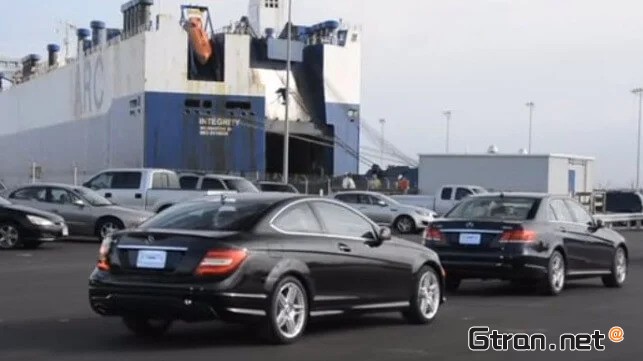
According to a report from Automotive News, utilizing data from logistics productivity provider Descartes, motor vehicle imports decreased by 72.3% in May. This substantial reduction is due to car companies halting shipments in anticipation of more favorable tariff conditions. Kelly Blue Book, a renowned car industry reporter, noted that the auto industry typically maintains 60 days of inventory on hand and 15 days in transit. However, by the end of April, automakers' inventory had risen to 66 days. Despite this, brands such as Jaguar and Land Rover resumed US shipments in May following a tariff-related pause.
Descartes also released container import data indicating a nearly 10% monthly decline from April to May, with a over 7% decrease compared to the previous year. This marks the first time May container volumes have decreased in the past seven years, excluding 2020 during the pandemic.
imports from China experienced a more dramatic decline, with China's share of US imports dropping to just over 29%. Containers from China decreased by over 20% month-over-month and 28.5% year-over-year, the steepest monthly decline in five years. This contributed to a 30% volume reduction for the ports of Los Angeles and Long Beach.
Jackson Wood from Descartes stated, “After several months of import growth and a surge in forward shipments in April, the impact of new tariffs began to emerge in May. The effects of US policy changes with China are now clearly reflected in monthly trade flows.”
The National Retail Federation (NRF) concurs, highlighting that April's volume reached 2.21 million TEU, a 3% increase from March and nearly 10% higher year-over-year, due to forward loading.
Retailers note that the pause in tariffs on reciprocal tariffs is scheduled to last until July 9, and for Chinese imports until August 12. While Donald Trump suggests a deal for Chinese trade is being finalized, US and Chinese trade representatives continue to meet. If no deal is reached, the NRF expects a rush to import merchandise into the US, causing winter holiday imports to peak early and coincide with the end-of-summer/fall season import peak, putting pressure on ports.
The NRF has raised its forecasted container volume for June by 17.5% to 2.01 million TEU and by 20% in July to 2.13 million TEU. This reflects the lead time required to initiate shipments and the urgency to precede scheduled tariff increases.
“This is the busiest period of the year for retailers as they prepare for the back-to-school season and the fall-winter holiday season,” said Jonathan Gold, NRF Vice President for Supply Chain and Customs Policy. “Retailers previously halted purchases and imports due to high tariffs and are now急于 getting orders and cargo moving to bring as much merchandise into the country as possible before the reciprocal tariff and additional China tariff pauses end in July and August.”
Without trade agreements, retailers forecast a sharp drop in volumes for the remainder of 2025, with larger year-over-year decreases. The NRF points out that last year, retailers rushed shipments due to concerns about potential longshore worker strikes at US East and Gulf Coast ports. However, this year, volumes could decrease by around 20% per month in September and October.
The NRF is urging the administration to reach agreements with trading partners to restore predictability and stability to the supply chain. Port officials, longshore workers, and others share these concerns, as fluctuations and volume drops impact operations and members.


