


Greece has committed €680 million to drag its island ports into the 21st century, ending decades of under-investment that left some facilities untouched for over 30 years.
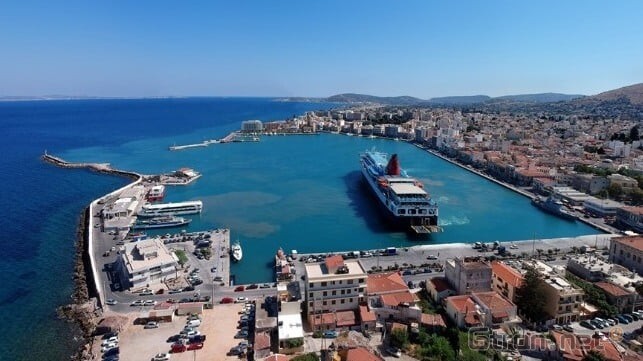
Key points
€210 million from the EU-backed National Strategic Reference framework (NSRF) 2021-2027 will finance upgrades at 30 island ports; 21 of these are already under Growthfund supervision.
€93 million more comes from the EU Recovery & Resilience Facility, bringing total EU support to €303 million.
€310 million is ring-fenced for green transition, including shore-power (cold-ironing) systems at 12 ports by 2029; €11 million is earmarked for feasibility studies in Lavrio, Rafina, Kavala and Corfu.
The Island Decarbonization Fund (co-financed by Greece, the EU and the European Investment Bank) will cover roughly half of the green-transition bill.
Why it matters
Channel depths have shallowed by up to 1.5 m due to siltation, while crumbling piers and outdated passenger areas limit ferry calls and cruise traffic, according to the Panhellenic Association of Merchant Marine Captains.
once works are complete, draft will be deepened to 9–10 m and quay strength raised to 40 t/m², allowing 8,000-passenger Ro-Pax vessels and 340 m cruise ships to berth year-round.
Shore-power roll-out is expected to cut berthed-vessel CO₂ emissions by 60 % and save 25,000 t of fuel annually across the 12 target ports.
Timeline
Construction tenders for the first 10 ports will be launched in Q4 2025; all 30 projects are scheduled for completion by 2029.
Shore-power installations will start in 2026, aligning with the EU Fit-for-55 requirement that all ports above 50,000 passenger movements offer on-shore electricity by 2030.
Bottom line: Athens is betting that modern, green island gateways will boost tourism, shorten ferry turnaround times and keep Greece competitive as cruise lines shift to lower-carbon itineraries.


