


The newly formed Gemini Cooperation between Maersk and Hapag-Lloyd has begun visibly altering global port dynamics, with Malaysia's Tanjung Pelapas (PTP) posting staggering 23% year-on-year container throughput growth in H1 2025 – the highest among top-30 global ports. This surge solidifies PTP's role as the alliance's primary transshipment hub, diverting cargo flows from traditional centers like Singapore and Shanghai.
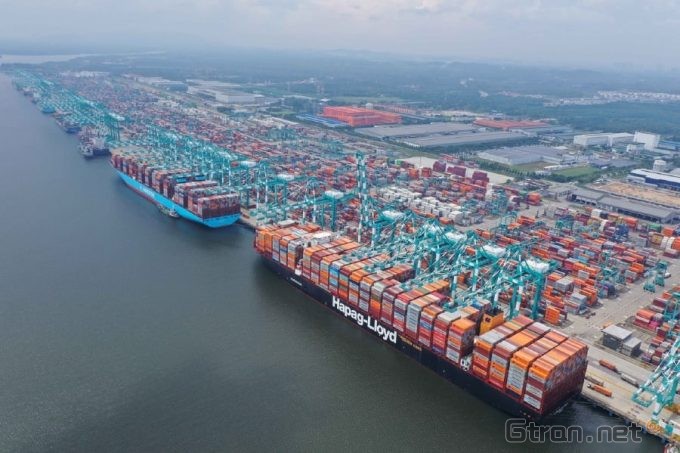
Strategic Pivot to Southeast Asia
Industry data reveals PTP handled 5.8M TEUs January-June, capitalizing on its:
Deep-water capabilities (18m draft accommodating 24,000-TEU vessels)
Geographic advantage straddling East-West trade lanes
Dedicated Gemini terminal with automated APM cranes
The shift follows Maersk's $450M infrastructure investment announced last December, including new berths specifically designed for Gemini's pendulum services connecting Asia, Europe, and North America.
Regional Ripple Effects
Neighboring ports show divergent trends:
Singapore (-4% YoY): Losing mid-range transshipment volumes
Port Klang (+7%): Benefiting from spillover demand
Vietnamese ports (+12% collectively): Gaining from redirected intra-Asia cargo
"Gemini's network optimization is triggering the most significant realignment since the 2M breakup," noted Drewry's senior analyst Simon Heaney.
Long-Term Implications
With Gemini controlling 18% of global capacity, its hub-and-spoke strategy may further concentrate volumes at select ports. PTP's expansion phase (scheduled completion Q3 2026) could position it to overtake Busan as the world's 6th busiest container port.


