


As the October 14 deadline approaches for U.S. port fees targeting Chinese-built or operated vessels, carriers are executing strategic route adjustments. The fees—$50 per net tonne for Chinese-operated ships and $33 per tonne/$250 per container for non-Chinese operators using Chinese-built vessels—have triggered a wave of operational recalibrations.
1. Tactical Diversions to Neighboring Hubs
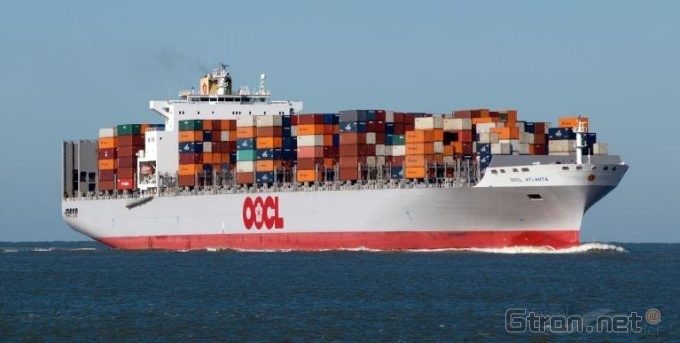
OOCL, a Cosco subsidiary, exemplifies this shift with its new Transpacific Latin Pacific 8 (TLP8) service linking Qingdao to Mexico’s Ensenada (16-day transit) and Manzanillo (20 days), conspicuously bypassing U.S. ports. Analysts like Vespucci Maritime’s Lars Jensen note such moves allow carriers to "reallocate Chinese-flagged vessels to non-U.S. routes" while leveraging Ocean Alliance partners for residual U.S. coverage.
2. Competitive Asymmetry and Market Realignments
While Maersk confidently states it can avoid cost impacts by reshuffling fleets, Chinese carriers face steeper hurdles. By 2028, fees for Chinese-operated vessels could escalate to $1,400 per FEU—53% of current Asia-US West Coast spot rates. This disparity may accelerate regional realignments, including:
Intra-Americas routes: New services connecting Central/South America to smaller U.S. ports;
VSA dissolutions: Slot charterers may exit partnerships with Chinese operators due to unfavorable terms.
3. Long-Term Industry Implications
The policy risks reducing competition in U.S. liner markets while slowing vessel scrappage (as older Japanese/Korean-built ships remain active). Meanwhile, Chinese carriers are investing in:
Green technology: LNG-compliant engines to meet evolving port environmental standards;
Operational efficiency: AI-driven port call optimization to mitigate fee impacts.
Quotable Insight
“You cannot order non-Chinese ships overnight,” warns eeSea’s Destine Ozuygur, highlighting capacity constraints that may strain non-Chinese operators despite their flexibility.


