


Amid worsening congestion at Europe's busiest container port, Mediterranean Shipping Company (MSC) has implemented strategic diversions on two additional Asia-North Europe services, shifting port calls away from Antwerp. The operational adjustments come as vessel waiting times at the Belgian hub exceed 5 days, with yard utilization surpassing 95% capacity.
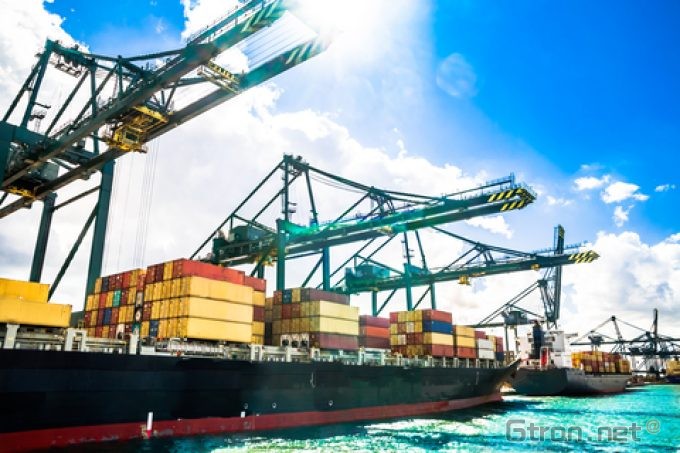
Service Adjustments & Market Impact
Diverted rotations: MSC's revised network now bypasses Antwerp for less congested alternatives like Rotterdam and Hamburg, where average berth waiting times remain under 48 hours.
Capacity strain: Antwerp's Q1 2025 throughput fell 4% YoY to 6.77M tons, while container dwell times extended by 32% due to labor shortages and hinterland bottlenecks.
Rate implications: Asia-North Europe spot rates surged 17% to $3,354/40ft in July as capacity tightens, contrasting with transpacific's 15% weekly decline.
Strategic Context
The moves align with MSC's post-2M Alliance operational overhaul, where it has:
Replaced 24,000 TEU megaships with 14,700 TEU vessels on key Asia-Europe routes
Prioritized higher-yield Mediterranean and West Africa trades for ultra-large vessel deployments
Maintained 78% schedule reliability despite European port disruptions – 12% above industry average
Industry-Wide Ripple Effects
Carrier responses: Maersk and CMA CGM have similarly adjusted rotations, with 23% of Asia-Europe sailings now omitting Antwerp
Shipper costs: Detour surcharges of
150
−
150−300/TEU are being applied, compounding 44% YTD rate hikes on the trade lane
Infrastructure limits: Antwerp's congestion reflects Europe-wide port challenges, where 68% of major hubs face equipment and labor shortages
"This isn't just about avoiding delays—it's a fundamental recalibration of European gateway strategies," noted Upply's Jérôme de Ricqlès. With MSC controlling 20% of global container capacity, its network decisions continue to reshape trade lane dynamics.


