


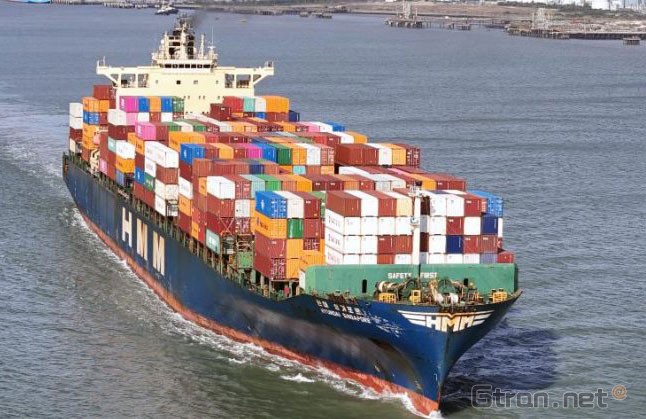
The container shipping industry is witnessing an unprecedented trend in 2025, where major carriers are actively sub-leasing chartered tonnage to capitalize on the firm charter market. According to Linerlytica's latest data, HMM recently sublet the 6,765 TEU Hyundai Singapore (built in 2006) to Mediterranean Shipping Company (MSC) at a daily rate three times higher than its original charter cost. This move reflects a broader industry pattern where carriers exploit supply-demand imbalances to maximize profits.
Market Dynamics Behind Subleasing
Charter Rate Disparity: Current charter rates for mid-sized vessels (5,000-8,000 TEU) have surged to $45,000/day, while long-term charters signed pre-2024 average $15,000/day, creating a lucrative arbitrage opportunity.
Fleet Utilization Strategies: Lines like HMM and Maersk are optimizing fleet deployment by subleasing older tonnage (e.g., 15+ years) to smaller operators or competitors, while retaining newer vessels for premium routes.
Freight Market Divergence: Despite spot freight rates declining 12% YoY in Q2 2025, charter rates remain resilient due to tonnage shortages caused by accelerated scrapping and delayed newbuild deliveries.
Data-Driven Insights
Profit Margins: Subleasing generates 200-300% margins for primary charterers, as seen in HMM's MSC deal.
Vintage Preference: 65% of subleased vessels are post-Panamax ships built between 2000-2010, favored for their operational flexibility.
Regional Hotspots: Southeast Asia and East Africa routes witness the highest sublease activity, driven by regional demand spikes.
This strategic maneuvering underscores how carriers are adapting to volatile market conditions, though risks like charter party violations and overcapacity looms if demand softens further.


