


The transpacific air freight market is experiencing unprecedented demand surges as shippers race against two critical July deadlines. While ocean freight volumes dropped 18% year-over-year in Q2 2025, air cargo capacity from Southeast Asia to the US West Coast has reached 92% utilization - the highest since pandemic peaks.
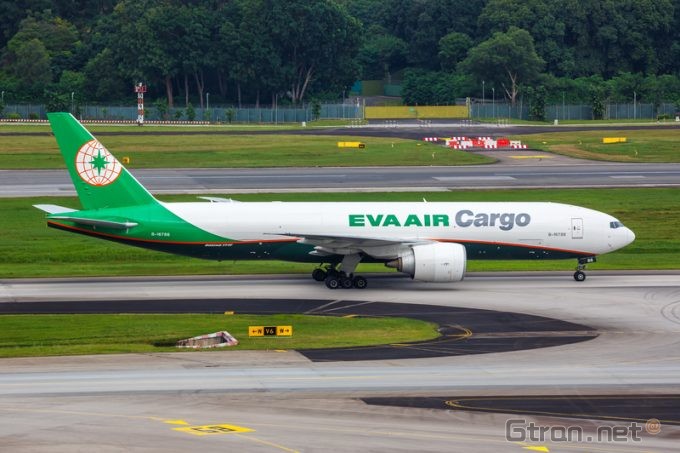
Key market dynamics driving this shift:
Tariff Uncertainty: The 9 July policy change threatens 15-25% duties on $54 billion worth of Asian imports
Seasonal Demand: US retailers require 68% more inventory for Independence Day sales versus 2024 levels
Supply Chain Diversification: Vietnam and India now account for 42% of emergency air shipments, replacing China's traditional dominance
Logistics providers report extraordinary operational adjustments:
• Charter rates from Hanoi to LAX spiked to 8.50/kg(vs.8.50/kg(vs.4.20/kg in May)
• Airlines converted 12 passenger aircraft to freighters in June alone
• Cold chain capacity expanded 37% for perishable pharmaceutical shipments
This temporary boom masks structural challenges. Forwarders warn the current $2.8 billion weekly air freight market could collapse post-9 July, mirroring China's 63% air cargo volume decline after similar policy shifts. Industry analysts recommend shippers:
Book intermodal options before 28 June cutoff
Utilize blockchain tracking for high-value shipments
Negotiate SAF surcharge caps with carriers
The window for cost-effective solutions narrows daily, with remaining capacity expected to sell out by 25 June. This crisis highlights the fragile balance between geopolitical decisions and global supply chain resilience.


